Goods transit services
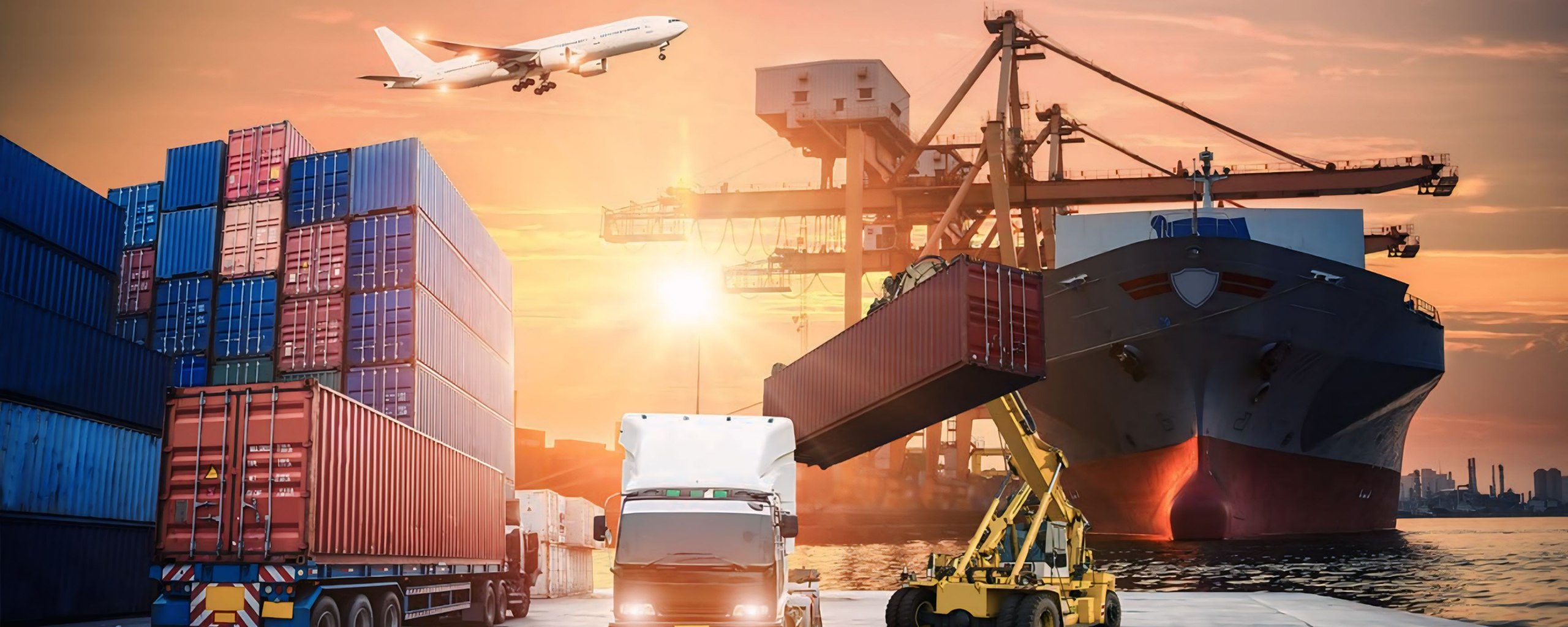
Transit of goods means the transportation and movement of goods from one origin to another through one or more intermediary countries. This process is carried out to facilitate international trade and plays an important role in the global economy. Below is a comprehensive explanation of this:
History of goods transit
- Ancient periods
- Silk Road: One of the most famous trade routes that existed in ancient times between China and Western lands, such as Iran, India, and the Mediterranean countries. This route was used not only for trading precious goods such as silk and spices, but also as a transit route for moving various goods from East to West and vice versa.
- Caravanserai and Markets: On ancient trade routes, caravanserai were used as stopping points and storage points for goods. These points, while providing places for caravans to rest, provided a platform for trade exchanges and the transit of goods.
- Medieval periods
- During the Middle Ages, international trade was dominated by feudal states and empires. Many of the trade routes through which goods were transported were controlled by empires or kingdoms. One of the most important of these routes was the trade route between Europe and the Middle East, which was known for transporting rare and luxurious goods, such as spices and textiles.
- Transit through ports: During the Middle Ages, ports such as Venice and Geneva played a key role in the transit of goods from one continent to another. These ports were known as trading and customs points for the entry and exit of goods from East Asia and North Africa to Europe.
- Modern periods (19th and 20th centuries)
- Invention of the Railway: In the 19th century, the invention of the railway played a major role in facilitating the transit of goods in Europe and North America. This means of transport significantly increased the speed of transit of goods and facilitated trade communications between countries.
- Maritime transit and the growth of commercial ports: The development of steamships and the Suez Canal (opened in 1869) made sea routes for the transit of goods faster and more convenient, especially between Europe and Asia. Ports such as New York, London, Singapore, and Hong Kong were considered major centers for the transit of goods during this era.
- Development of air transit: In the 20th century, with the invention of commercial aircraft and technological advances, air transport became one of the most important methods of transit of goods. This type of transport was used especially for goods that required urgent delivery time, such as medicines and valuable goods.
- Contemporary era
-
- Expansion of globalization: In the second half of the 20th century and with the onset of globalization, international trade increased significantly and the transit of goods became an essential tool for commercial exchanges. From the 1970s onwards, various countries, especially East Asian countries such as China, India and Japan, played a greater role in the process of transit of goods and international transportation.
- Modern Packaging and Transit: In recent decades, technological advances such as electronic control and logistics management, transit management systems, and electronic waybills have dramatically transformed the way goods are transported. These developments have reduced costs, increased speed, and increased accuracy in the transit process.
- Environmental and sustainable approaches: In recent years, freight transit has faced environmental challenges. For this reason, efforts to use sustainable and environmentally friendly transportation, such as rail transit and transportation using renewable energy, are expanding.
Types of goods transit
-
Domestic transit:
- Goods are transported from one point within a country to another point within the same country.
- Usually, in this type of transit, goods are transported from free zones or ports to inland areas.
-
Foreign (international) transit:
- Goods are transported from one country to another.
- This type of transit may involve passing through a third country as a transit route.
-
Direct transit:
- Goods are transported from origin to destination without the need for warehousing or long stops.
-
Indirect transit:
- The goods need to stop, be stored, or processed en route.
Benefits of goods transit
- Reducing trade costs: taking shorter and cheaper routes.
- Increasing the speed of transportation: using faster methods.
- Strengthening the national economy: Generating revenue for the intermediary country through levies and services.
- Facilitating access to global markets: Easy movement of goods between countries.
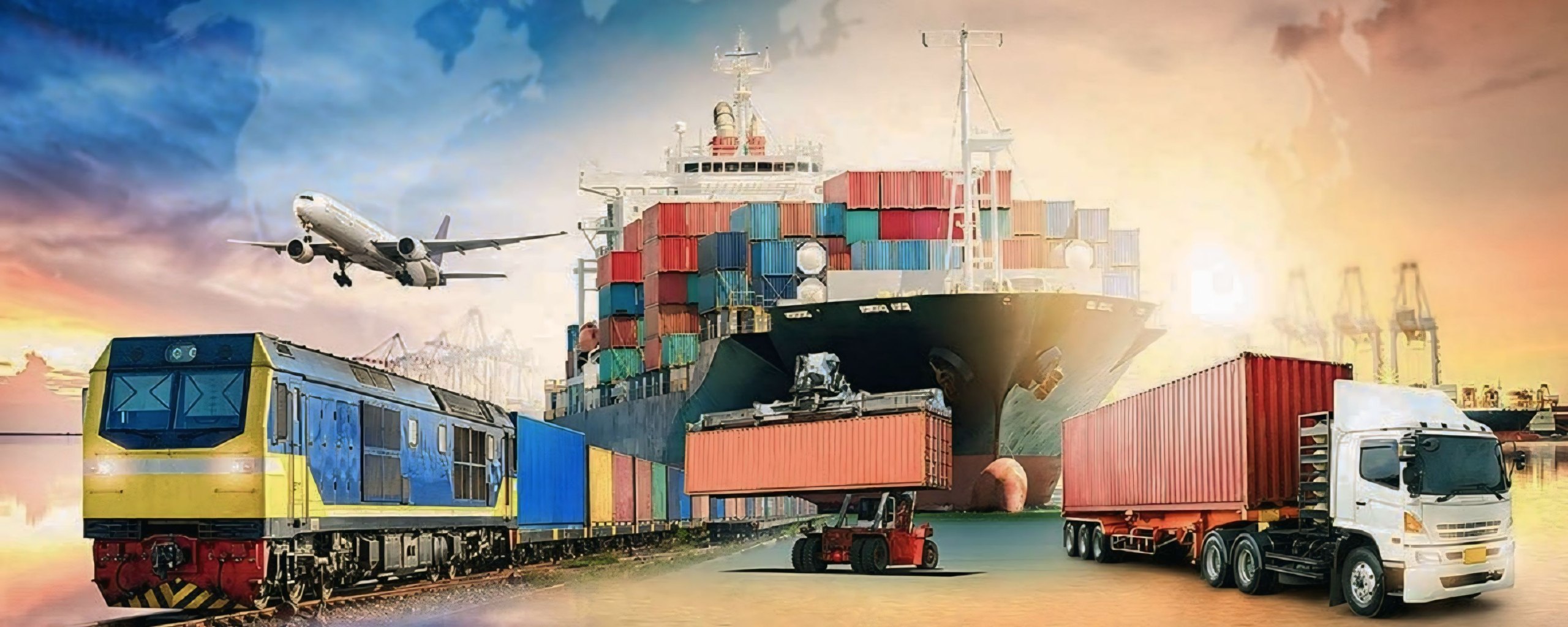
Goods transit stages
Registration of documents:
-
- Submitting a customs declaration.
- Goods identification documents such as invoices, bills of lading, and certificates of origin.
-
Payment of fees:
- Customs, insurance, and transportation costs.
-
Transportation and handling of goods:
- Use of land, sea, air or rail vehicles.
-
Customs control and border crossing:
- Document review by the customs of the country of origin, destination and intermediary.
-
Delivery at final destination:
- Receipt of goods by the final recipient or shipping company.
Rules and regulations
- Each country’s customs and trade laws affect the transit of goods.
- TIR Convention: An international agreement to facilitate the transit of goods, which includes the standardization of documents and procedures.
Satrap Tir Araz International Transportation Company, utilizing its experience and expertise in the field of road transportation, offers a variety of services in this field. With its well-equipped and up-to-date fleet, this company has provided the possibility of transporting all kinds of goods inside and outside the country.