
Sea transportation services
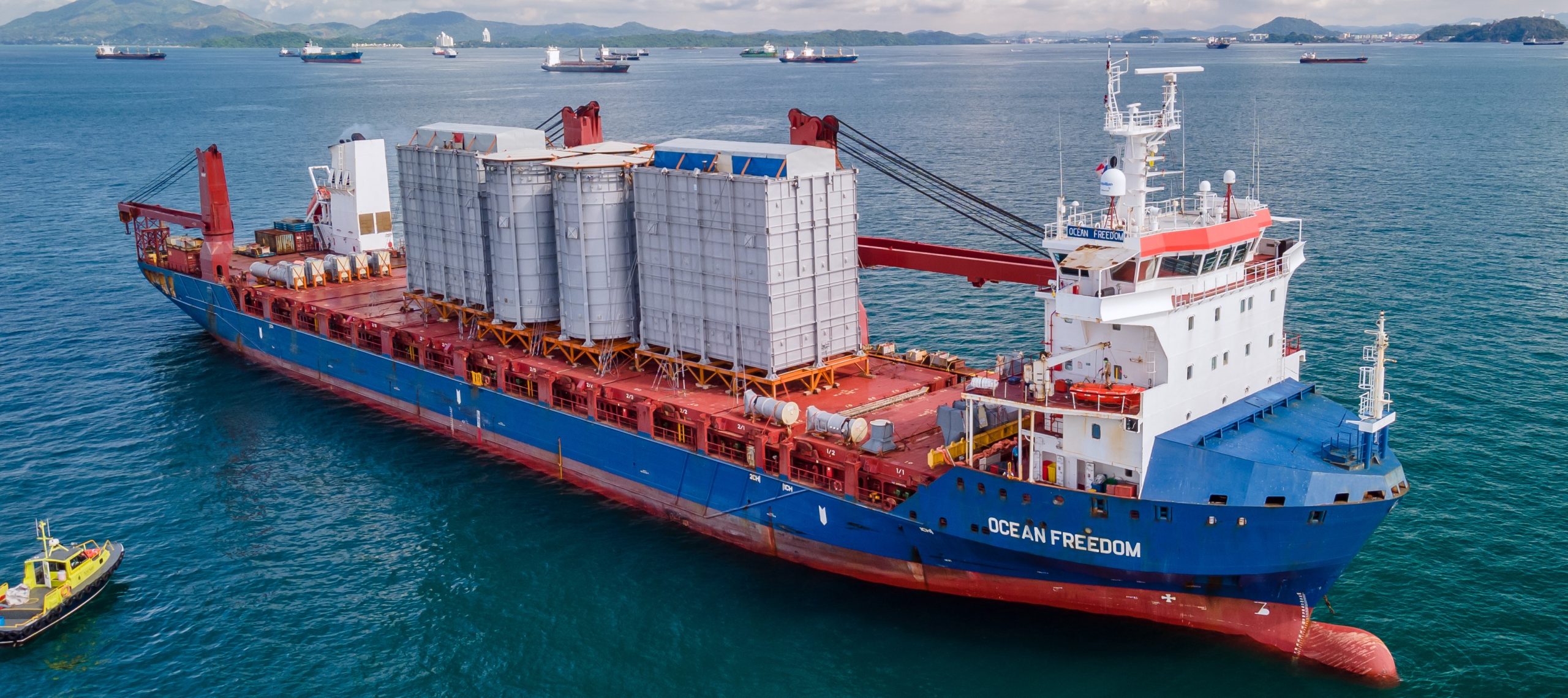
Sea freight is one of the oldest and most economical methods of transporting goods around the world, playing a very important role in international trade. This method is very suitable for moving large and heavy goods due to its high capacity, relatively low costs and wide access to ports. We will go into more detail in this regard below:
Types of sea transportation:
-
Container transportation:
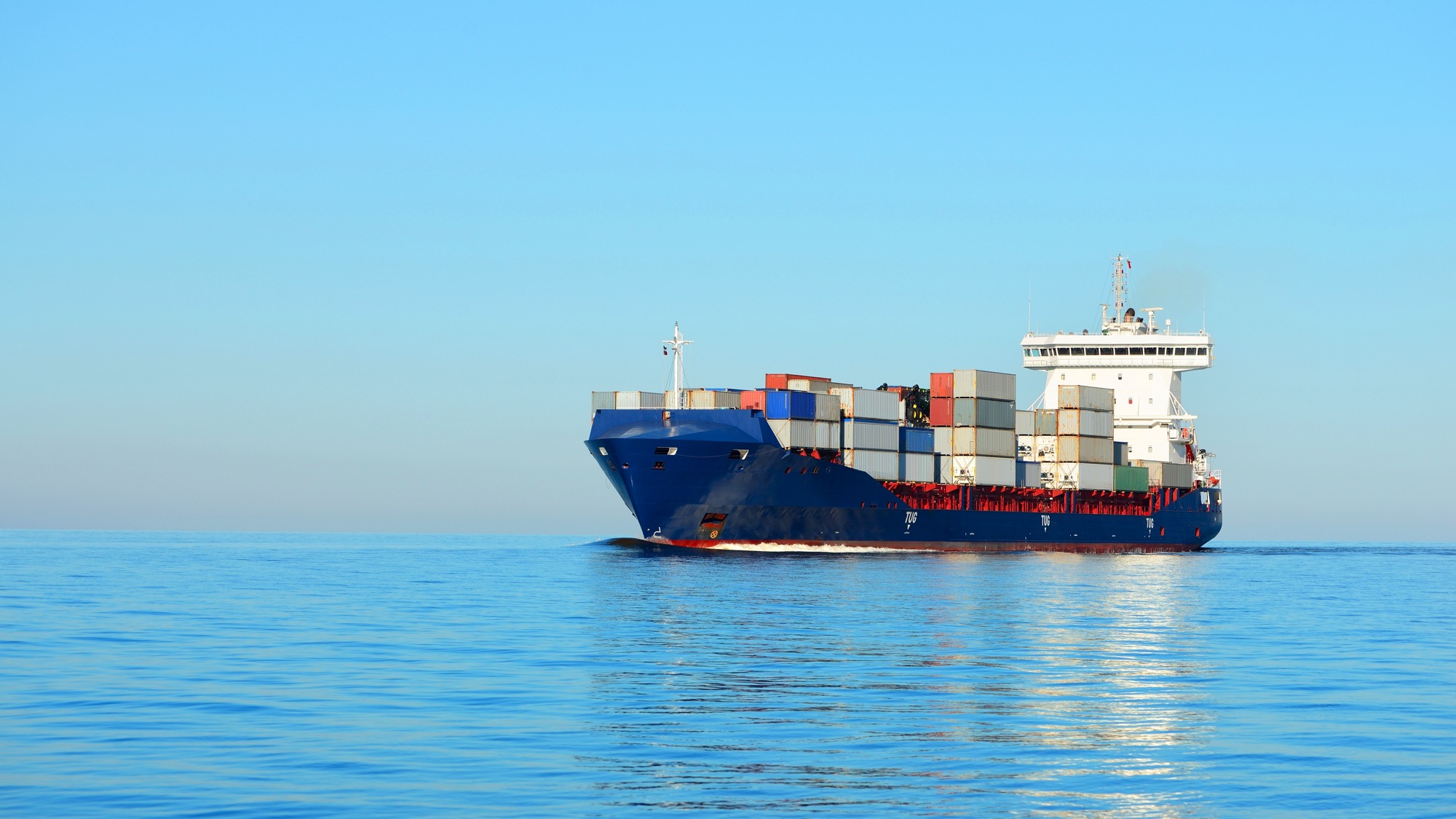
- The most common type of sea transportation is where goods are placed in standard-sized containers (20 feet, 40 feet, etc.).
- Suitable for a variety of goods including industrial, consumer, and food products.
- Combined transportation (sea-land) is possible with greater ease.
-
Bulk Shipping:
- It is used to transport goods such as minerals, grains, oil, and liquefied gas.
- Bulk carriers include dry bulk ships and liquid bulk tankers.
-
Roll-on/Roll-off shipping (Ro-Ro):
- Designed to move vehicles such as cars, trucks, and heavy machinery.
- Vehicles move on the ship and are unloaded at the destination.
-
Project transportation:
- It is used to move unusual or very large goods such as heavy industrial equipment, turbines, and large structures.
- It requires planning and special equipment.
Sea transportation process steps:
-
Reservation and route selection:
- Choosing the right shipping route and shipping company (Carrier).
- Determining the type of ship and service required.
-
Packaging and loading:
- Packaging of goods in a way that is resistant to marine environmental conditions (humidity, vibration, etc.).
- Transporting goods to the port and loading onto the ship.
-
Sea freight:
- Moving goods from the port of origin to the port of destination.
- The duration of transportation depends on the geographical distance and type of service.
-
Discharge and clearance:
- Unloading at the port of destination.
- Carrying out customs procedures and goods clearance.
-
Final delivery:
- Transporting goods to their final destination via land or rail transport.
Advantages of sea transportation:
-
High capacity: Ability to carry a large volume of goods in one trip.
-
Lower cost: Compared to air transportation, the costs are much lower.
-
Access to global regions: The ability to move goods between different countries through international ports.
-
Environmentally friendly: It produces less pollution compared to land or air transportation.
Equipment and infrastructure:
-
Ships: Various types of bulk carriers, container ships, tankers, and Ro-Ro.
-
Ports: Ports with advanced infrastructure including large cranes, warehouses, and loading and unloading systems.
-
Management systems: Using advanced technologies to manage and track shipments.
Applications
- Minerals such as iron ore, coal, bauxite.
- Cereals such as wheat, corn, rice.
- Industrial raw materials such as cement, clinker, chemical fertilizers.
- Crude oil and petroleum products (gasoline, diesel).
- Liquefied gases (LPG, LNG).
- Industrial or edible oils
- Consumer goods (electronics, clothing, household appliances).
- Prefabricated structures (bridges, metal skeletons).
- Passenger cars, trucks, and heavy vehicles.
- Industrial raw materials such as wood, fabric, and paper.

The importance of maritime transport in today's world:
Today, maritime transport covers more than 80% of global trade volume. This method continues to be recognized as the main pillar of international trade due to its high capacity and low cost.
Satrap Tir Araz International Transportation Company, utilizing its experience and expertise in the field of road transportation, offers a variety of services in this field. With its well-equipped and up-to-date fleet, this company has provided the possibility of transporting all kinds of goods inside and outside the country.